Find Your Personal Style, From Confusion to Confidence
- Oct 3, 2025
- 3 min read
Updated: Nov 25, 2025

We’ve all been there. You’re staring at a closet full of clothes and asking yourself “What should I wear today?” Or worse, “Why do I feel like I have nothing to wear?”
Style confusion is real. But what if I told you that clarity is just a few steps away? That your wardrobe could feel like you effortlessly, day after day? This is your guide to getting from overwhelmed and unsure to confident and intentional.
1. Start with Your Why
Before you fill a cart or purge your closet, pause and reflect.
Ask yourself:
What styles make me feel good, comfortable, powerful, joyful?
Which clothes in my wardrobe do I reach for again and again, and why?
Who do I admire (in real life, online, in magazines) in terms of fashion, and what is it about their style that speaks to me?
When you root your style in personal resonance (not what’s trendy or what others
expect), every outfit becomes an expression, not a compromise.
2. Gather Inspiration, Then Distill It
Create a style mood board (Pinterest, Instagram, or even a physical collage). Collect images: outfits, colors, textures, silhouettes. Over time, patterns emerge: maybe you gravitate toward sharp tailoring, or flowy dresses, or minimalist neutrals with a single bold accent.
Australia’s fashion scene is currently leaning into tailoring with oversized blazers, relaxed suiting, soft structures that move rather than press. (Tailoring and ties were one of the major trends spotted at Australian Fashion Week 2025.) Style Magazines
Also, locally sustainable fabrics, natural textures (linen, cotton, weaves), and muted, harmonious palettes are making waves as consumers seek styles that feel intentional and responsible. Accio+1
Your job is not to just copy, but to filter what resonates through your own lens.

3. Audit What You Already Own
Before you rush to shop, go through your closet with fresh eyes. For each item, ask:
Do I feel like me when I wear this?
Does it fit well and flatter my shape?
Does it coordinate with 2–3 other pieces I already own?
When’s the last time I wore it—and why or why not?
You’ll quickly spot the “keepers” and the “no’s.” Let go of pieces that don’t light you up—they’re cluttering your visual memory and diluting your style.
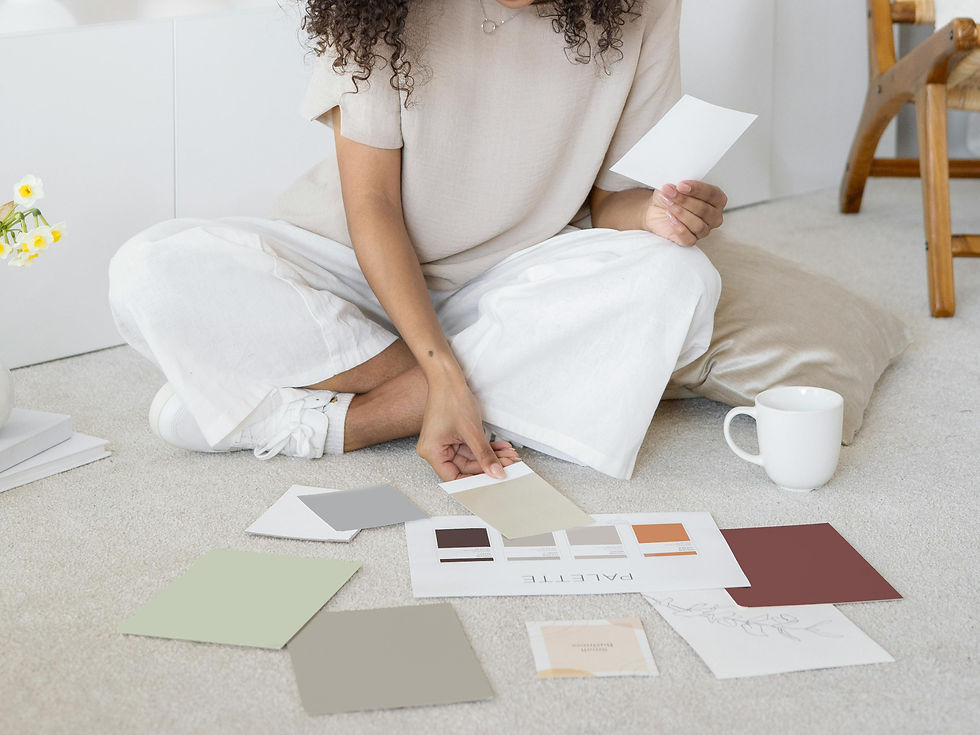
4. Define Your Core Palette
One of the biggest style hacks? Limit your base colors. Select 3–5 neutrals or foundational tones that complement your skin, lifestyle, and personal taste (e.g., black, navy, cream, taupe, olive).
Then add 1–2 accent shades or textures (like rust, sage, pastel, or a signature print). This simple structure means fewer fashion “misses” and more outfit combinations that work.

5. Build with Intent: The Style Framework
Now you can start adding pieces strategically. Think of it like building a home: first the structure, then the personality.
Start with timeless essentials: tailored blazers (relaxed cut), well-fitting trousers, classic shirt, a good coat or jacket, a go-to dress or jumpsuit.
Layer textures: linen, light knits, subtle prints, natural woven fabrics.
Add personality through accessories: scarves, belts, hats, bags all are low-risk but high-reward statements.
Every new piece should pass a checklist: Does it feel like you? Does it go with 2–3 other items in your wardrobe? Does it elevate your daily combinations?
6. Test, Tweak, Evolve
Your style won’t lock down overnight; it evolves. Don’t be afraid to test new silhouettes or combinations. Snap photos, wear outfits beyond your comfort zone, see what feels good by midday.
As trends evolve (and they always will), your style stays anchored because its foundation is you not the season.
Why This Journey Matters More Than You Think
You’ll spend less time agonizing in front of your wardrobe and more time living your day.
Your clothes begin to feel like allies, not burdens.
You free yourself from impulse buys and fast fashion clutter.
You unmistakably become confident, consistent, and intentional.
Want to learn more about styling? Check out our other articles


Comments